CHOOSE THE POWER OF CRYOABLATION TO DESTROY TUMOURS

A minimally invasive treatment alternative for selected cancer patients using extreme cold technology

FREEZE TUMORS IN ITS TRACKS

DAYCARE ALTERNATIVE TO SURGERY TO TREAT SMALL TUMOURS

What is Cryoablation?
Precision Treatment. Faster Recovery.

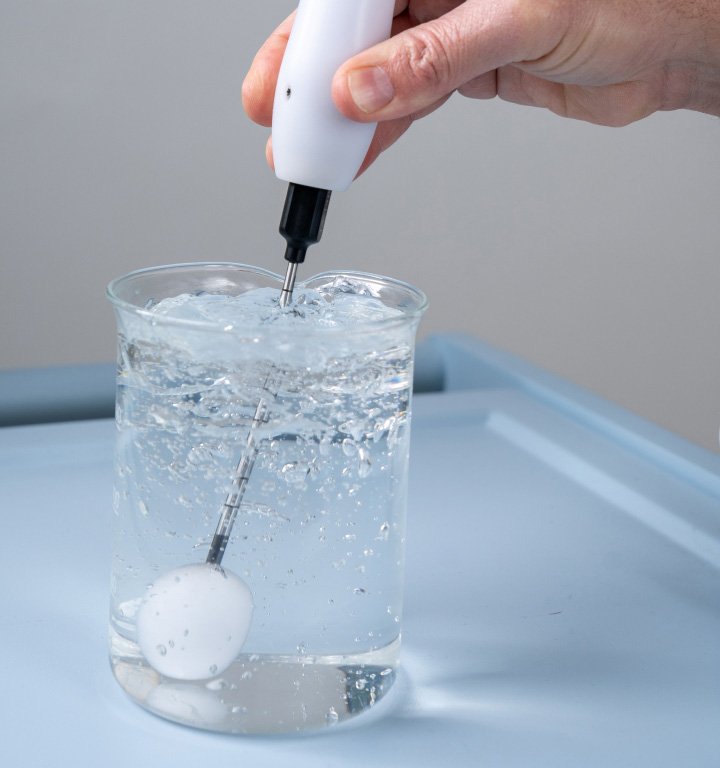
Cryoablation is an advanced minimally invasive treatment that destroys tumours using extreme cold — without the need for major surgery.

With precise image guidance, minimal scarring, and quicker recovery, it offers selected patients a modern and less invasive path to treatment.


What Can Be Treated?

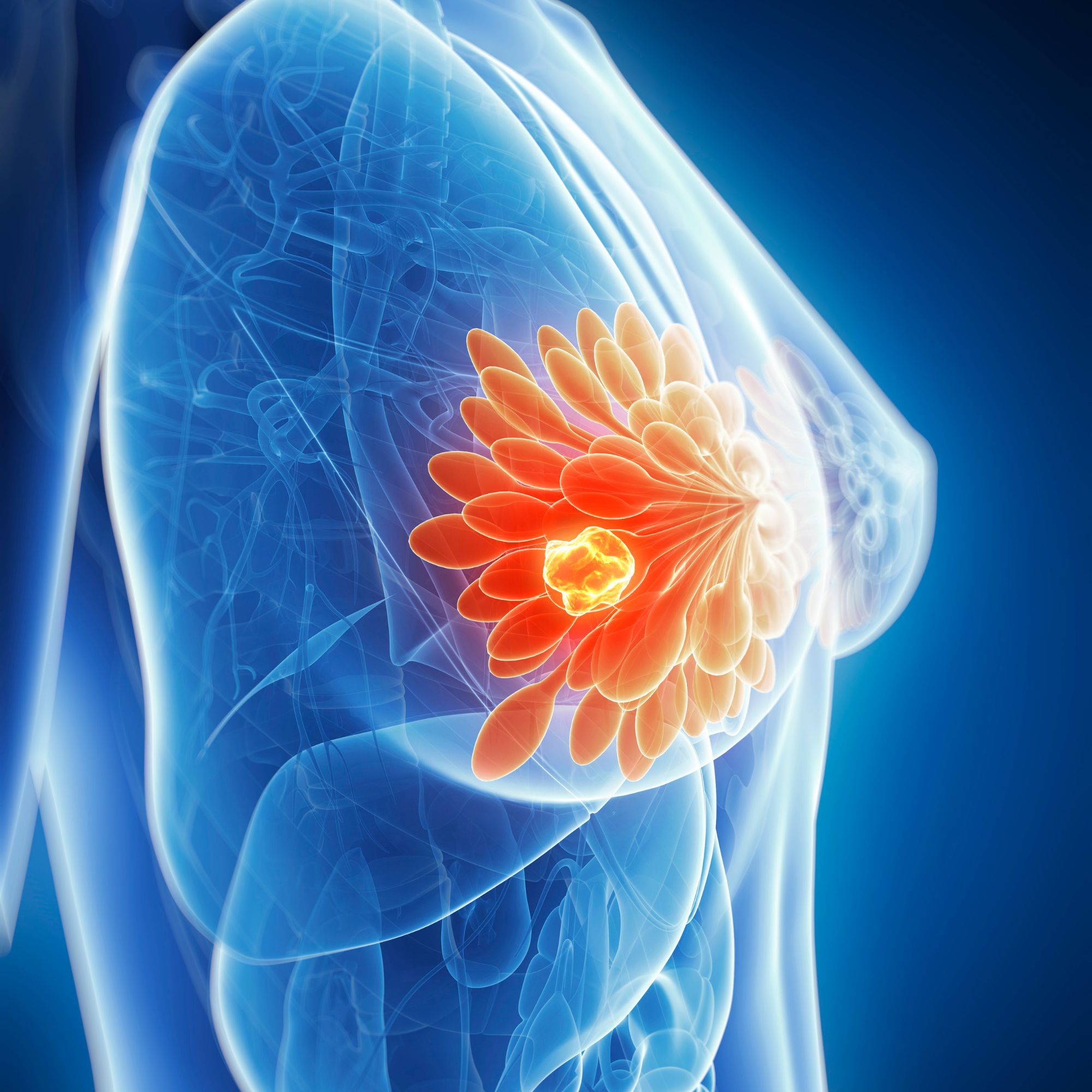
BREAST
BREAST 1

BREAST

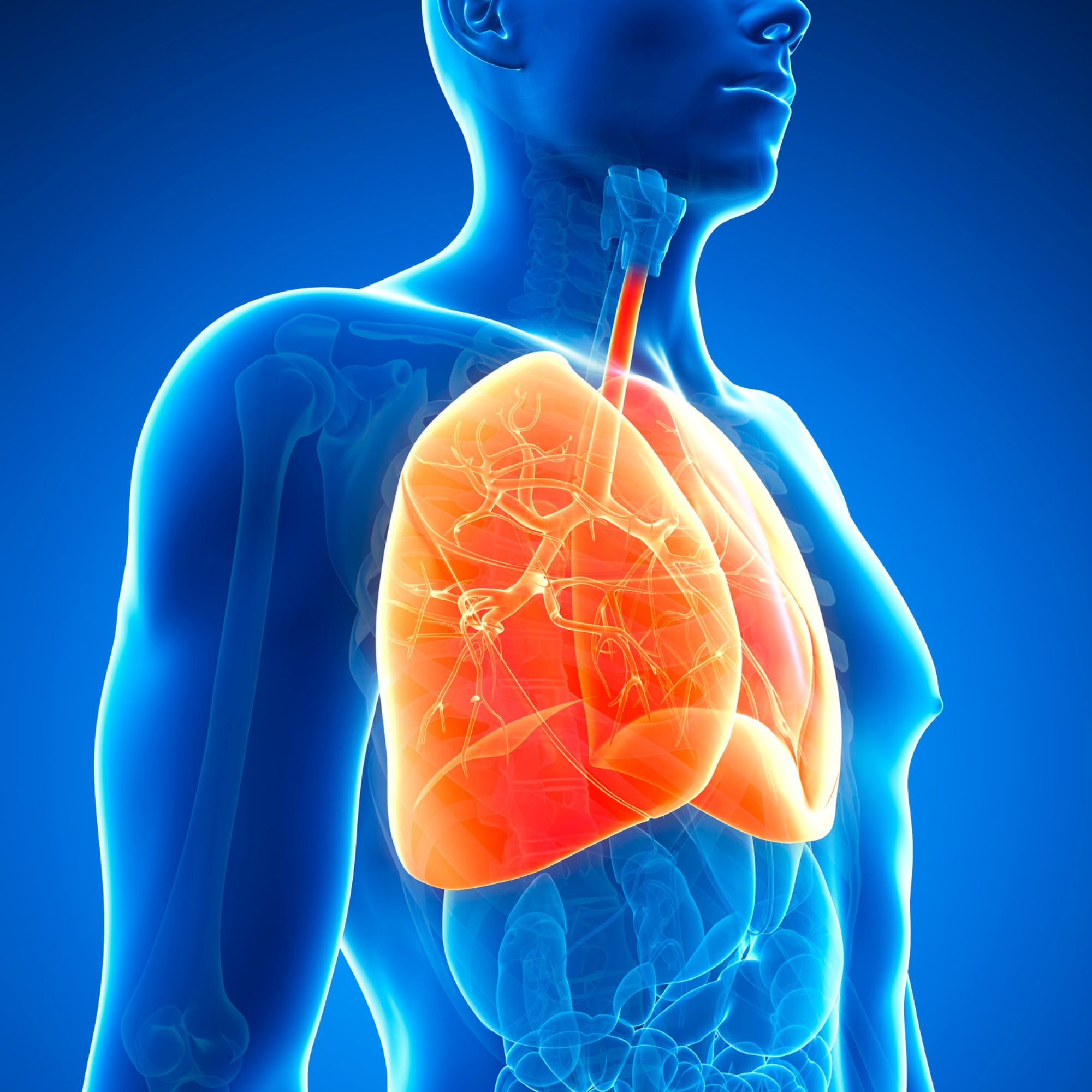
LUNG
LUNG 1

LUNG

KIDNEY
KIDNEY 1

KIDNEY

BONE
BONE 1

BONE

MEET THE EXPERTS

DR. SHUVRO ROY CHOUDHURY

Dr. Shuvro H. Roy-Choudhury, FRCS (London), FRCR (London), CCST (UK), FCIRSE, EBIR, is a Consultant in Diagnostic and Interventional Radiology (IR) with over 25 years of experience in the UK.

He currently serves as the Director of Interventional & Endovascular Radiology for NH Group Hospitals, with 7 sites in Eastern India and 37 sites across India. He also works part-time as a Consultant Radiologist at the University Hospital of North Midlands, Stoke-on-Trent, UK.

Dr. Roy-Choudhury is the President-Elect of the Indian Society of Vascular and Interventional Radiology and the Vice President of the Indian Society of Interventional Onco-Radiology. He is also a proctor for tumour ablation in India and the UK and serves as an advisory board member for several medical organizations.

ISVIR has awarded him the “Hero in IR” for changing the landscape of Interventional Radiology in Eastern India.
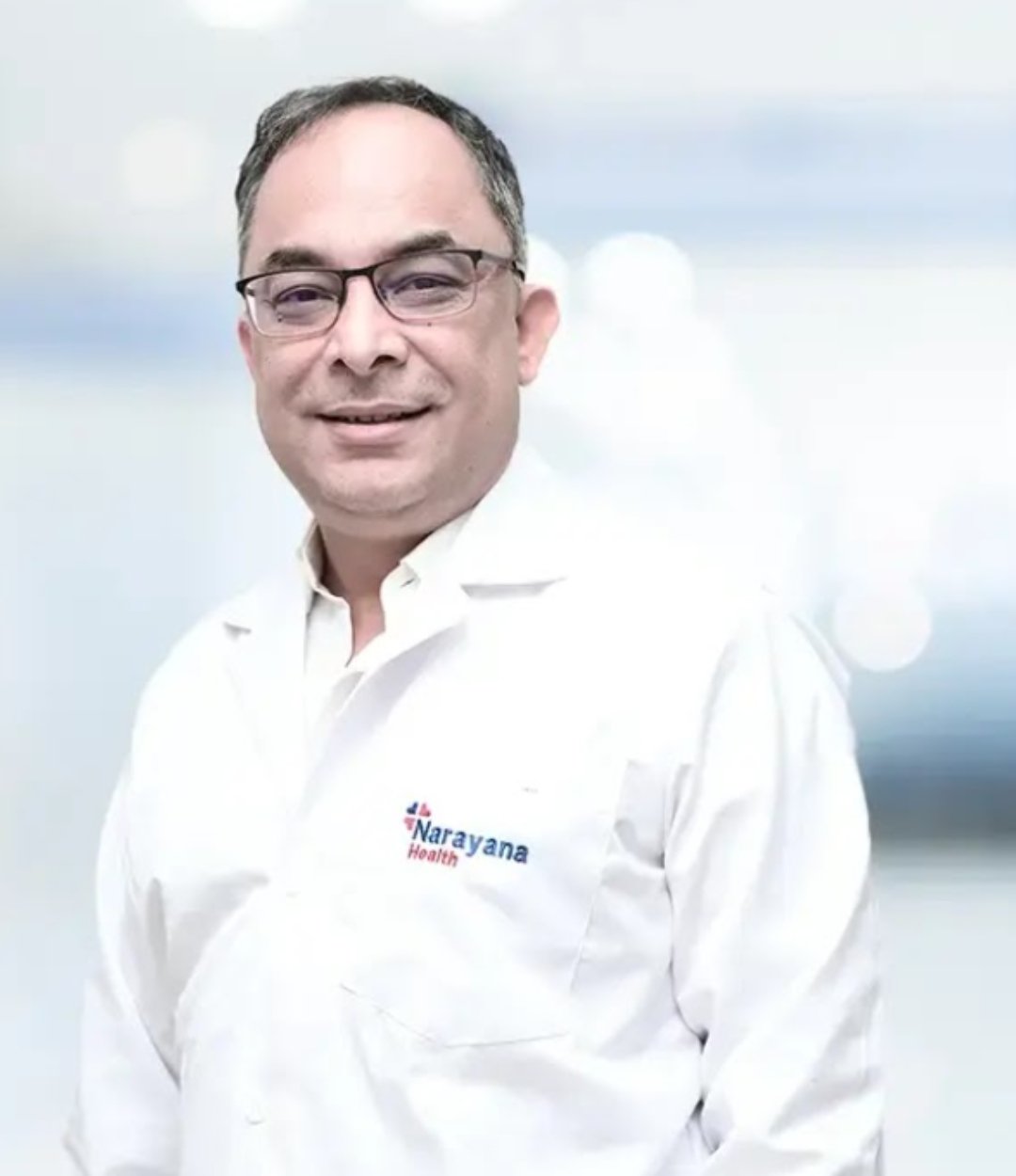
Dr. Roy-Choudhury is the only international interventional radiologist on a WHO team that prepared an international document on kit and staffing for hospitals in cancer management.

Frequently Asked Questions

1How does cryoablation work?
Cryoablation uses imaging guidance to help guide a thin needle called a cryoprobe that injects liquid nitrogen or argon gas to create the intense cold. Interventional Radiologists use image-guidance methods such as ultrasound, CT scan, or MRI to help guide the cryoprobe to specific sites of treatment located inside the body to kill harmful tissues.
2What happens during cryoablation?
During cryoablation, the cryoprobe is inserted directly into a cancerous tumor, then nitrogen or argon gas enters through the cryoprobe to freeze the tissue. After this, the tumor is given time to thaw. The entire process is repeated a few times during each session. This alternate freezing and warming causes damage to the membrane of the cancerous cells, thereby killing it.
3What are the advantages of cryotherapy?
Cryoablation can be a beneficial alternative to more invasive, traditional surgical procedures used to treat the same type of tumours. Because cryoablation is less invasive, the recovery time is often significantly shorter than traditional surgeries. There is less chance of infection, there is less pain and almost no scars. This process can also be repeated if necessary.
4How long does a cryoablation procedure take?
Depending on a number of factors, including the size of the tumor and the area being treated, cryoablation takes around 2-3 hours in total.

Patient Testimonials

Request a Consultation

    Full Name *

    Your Email *

    Subject *

    Phone Number *

    Message *